
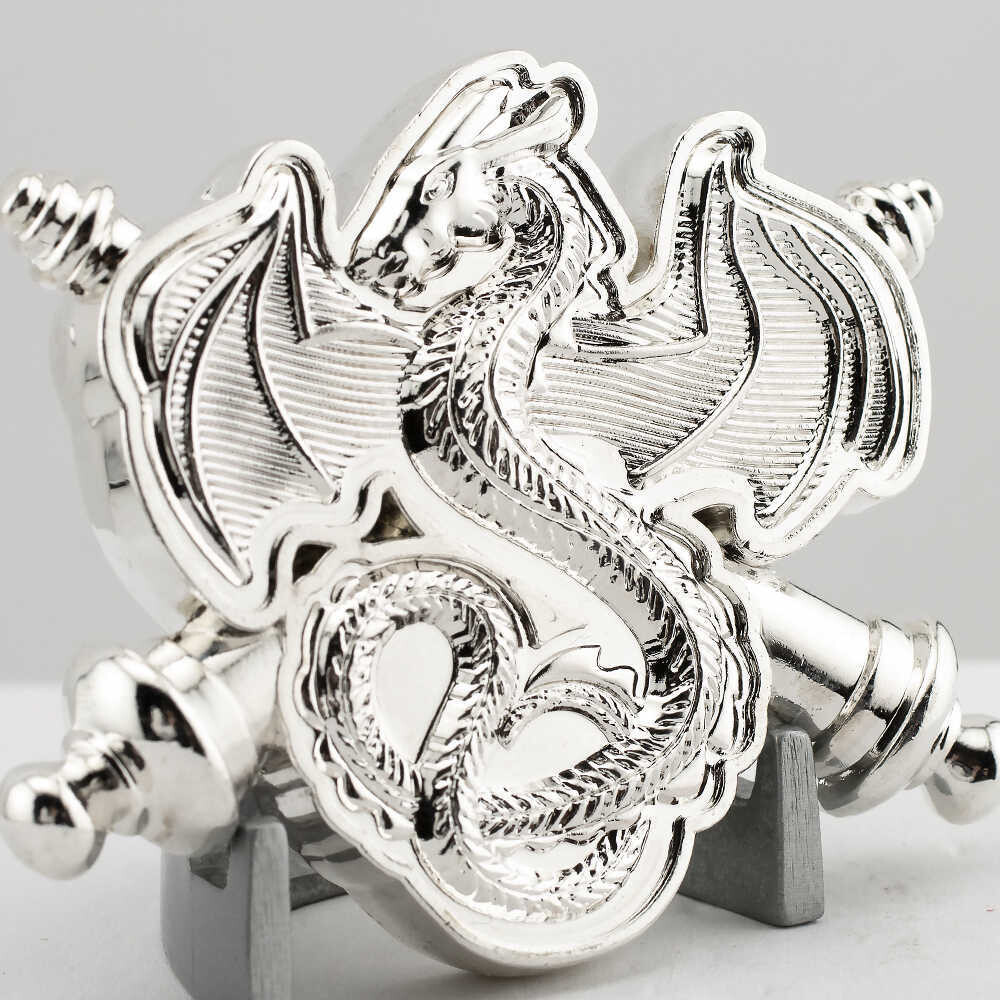
Plating is a manufacturing process by which a layer of metal is added onto another item. For example, jewelry is often plated in gold or silver as opposed to being made completely out of those precious metals.
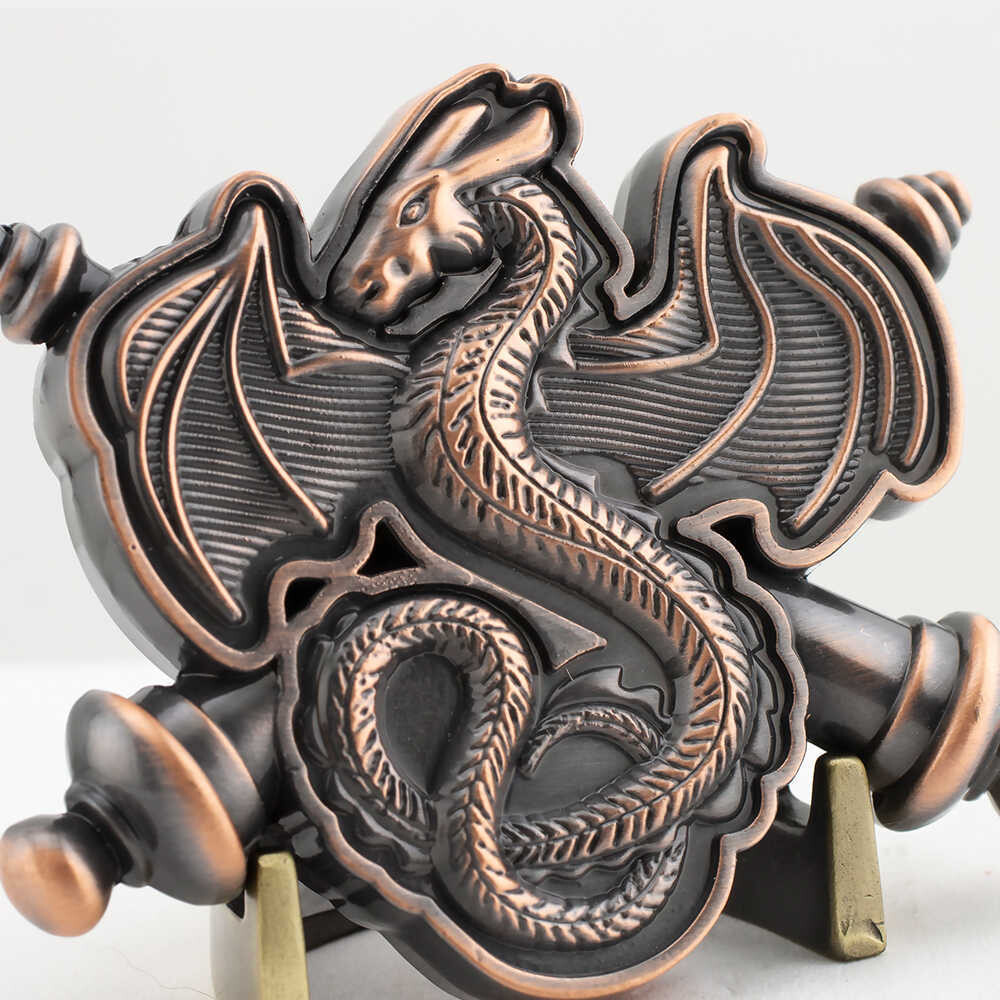
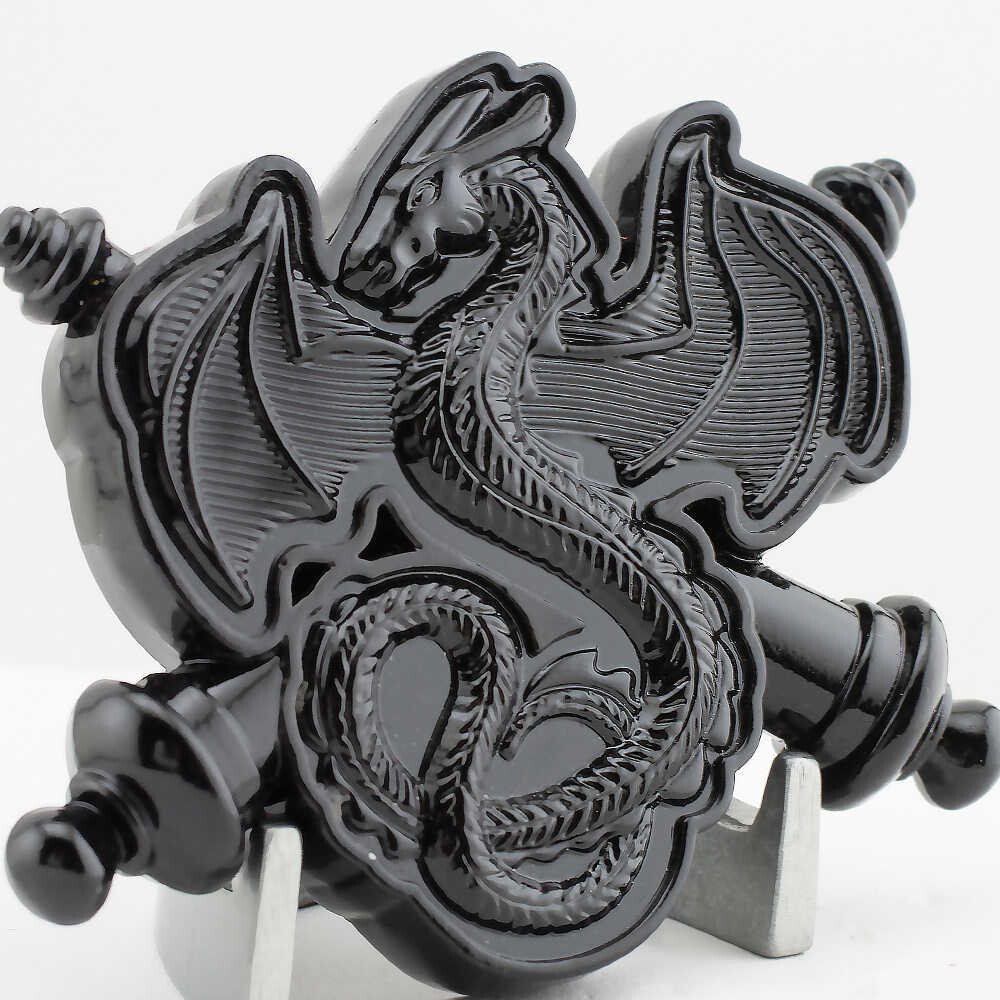
Each challenge coin produced by Signature Coins is made from a base metal of brass or zinc alloy. We choose these metals because of their overall durability and because they are the best for the die-casting and die-striking processes used to create your coins. While these metals are perfectly serviceable on their own, here at Signature Coins, we believe customers should have as many options for the final look of their coins as possible. That’s where coin plating comes in.
Coins that are not put through the plating process will retain the original look of the base metal used to create them.
-
Improved Corrosion Resistance
-
Decorative Appeal + Far More Visual Options
-
Increased Solderability
-
Enhanced Strength
-
Reduced Friction
-
Altered Conductivity
-
Enhanced Paint Adhesion
These benefits are some of the reasons plating is used on metals and objects in car manufacturing and the creation of electronics parts. But aspects like corrosion resistance, decorative appeal, enhanced strength and paint adhesion are some of the reasons we recommend coin plating so highly.





Related Questions
- What is a hinge and hook belt buckle?
- Do you offer other products besides challenge coins?
- How big is too big for a custom belt buckle?
- What is the most popular size for a challenge coin?
- What exactly is included in my belt buckle order (do you sell belts?)
- Do you sell cases for custom poker chips?
- What is the average weight of your standard size custom challenge coin?
- What presentation options do you offer?